Bikepacking and Camping With Your Dog: Planning an Overnight Trip

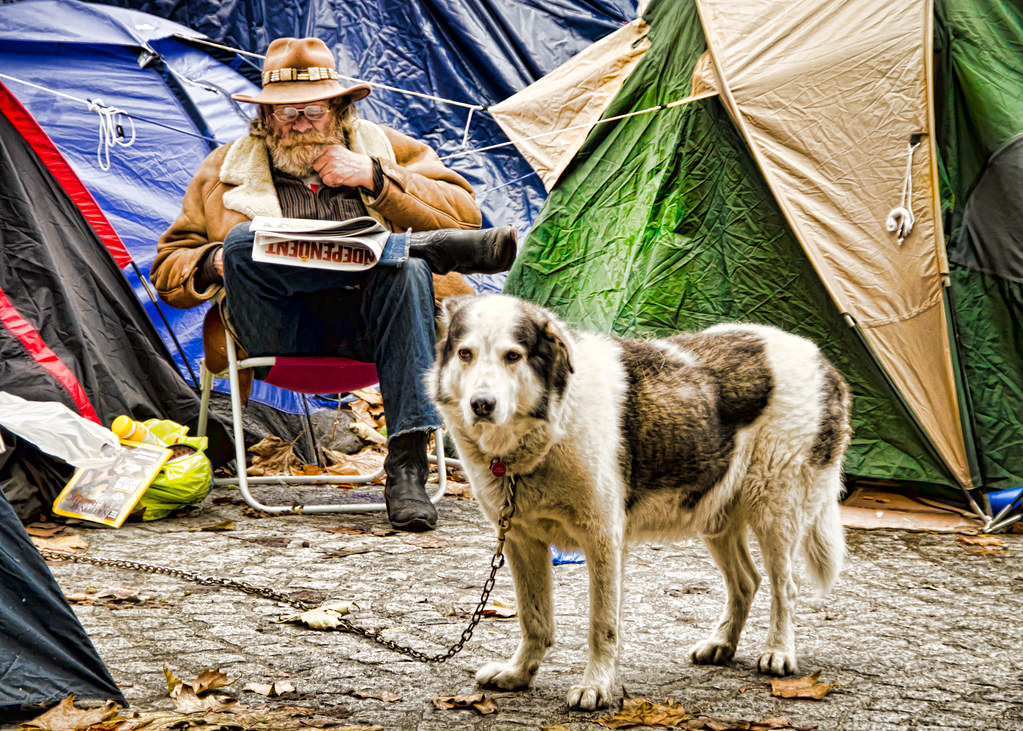
A day ride you can wing. An overnight with a dog needs a plan — and the thing that limits you isn’t distance, it’s water and warmth.
Here’s the main point: on a day ride, if something goes wrong you go home. On an overnight, you’re committed. That single difference changes everything about how you pack and plan.
And the two things that actually catch people out aren’t the obvious ones. It’s water weight — a medium dog needs a couple of litres a day, and water is heavy — and overnight temperature, because a dog that was fine riding at 18°C can be genuinely cold at 4am.
Get those two right and dog bikepacking is one of the best things you’ll do together. This guide covers route planning, the packing list, sleeping arrangements, and the honest limits of what’s sensible. 🐾
📋 What’s In This Guide
Is Your Dog Ready?
Be honest here. An overnight is a big step up, and the wrong dog on the wrong trip is miserable for both of you.
The readiness checklist
Your dog should already:
- Ride comfortably for 2+ hours across several sessions, settling rather than fidgeting
- Sleep well away from home — a night in a strange place shouldn’t be new
- Eat normally when travelling. A dog who won’t eat away from home will struggle
- Toilet on cue or on unfamiliar ground without a long standoff
- Settle around other people and dogs — campsites are social places
- Be genuinely healthy. Fit adult dog, no ongoing conditions
If your dog fails two or more of those, do a few more long day rides and one night somewhere easy first. There’s no rush.
Dogs who shouldn’t do overnights
- Puppies under 12 months — temperature regulation and unpredictable needs
- Frail seniors — a cold night on the ground is hard on arthritis
- Flat-faced breeds in warm weather — heat risk compounds over consecutive days
- Anxious dogs who don’t settle in new places — a sleepless night makes day two worse for everyone
- Dogs on medication needing precise timing, unless you’re confident about it
Do a backyard trial. Set up the tent at home, sleep in it with your dog for one night. You’ll learn more in that night — about whether they settle, whether they’re warm enough, whether they wake you at 3am — than from any amount of planning.
Why Overnight Changes Everything
You can’t bail out
On a day ride, the worst case is a slightly grim walk home. On an overnight, you’re 20 miles out with a dog who’s decided they hate it.
This is why route choice matters so much more, and why your first trip should be somewhere you could genuinely abandon if needed.
Weight becomes the binding constraint
Day rides need water and a bowl. Overnights need food, extra water, bedding, a tent, warm layers, and a first aid kit — on top of the trailer and the dog.
Every item competes with every other. This is where people discover their bike is slower than they planned.
Night temperature is a different problem
Here’s the one that surprises people most. Temperature at 4am is often 10–15°C below the afternoon high. A dog who was comfortable riding all day can be genuinely cold overnight, especially lying on ground that draws heat away.
Ground insulation matters more than any blanket you put on top.
Two days of cumulative fatigue
A dog who handles a three-hour ride fine may be stiff and reluctant on day two. Vibration fatigue and a poor night’s sleep compound.
Plan day two shorter than day one. Always.
“Plan your first overnight so you could quit at any point and be home in an hour. Once you know how your dog handles it, go further.” ⛺
Alt text: “Bike with dog trailer parked beside a tent at a woodland campsite with dog resting on an insulated sleeping mat”
Planning the Route
Work backwards from your dog
Take your dog’s comfortable day-ride distance and halve it for day one of an overnight. You’re carrying more weight, stopping more, and you want to arrive with daylight to spare.
Then make day two shorter still.
What makes a good dog-bikepacking route
- Water sources you’ve verified — taps, streams, campsite supply. This is the single biggest planning factor
- Smooth surfaces — rail trails and fire roads. Two days of gravel is a lot of vibration
- Shade for most of the route, especially in summer
- Bail-out points — road access, a village, somewhere you could be collected
- Dog-friendly overnight spot confirmed in advance, not assumed
- Phone signal at least somewhere along the way
Where to stay
| Option | Dog-Friendliness | Pros | Watch Out For |
|---|---|---|---|
| Dog-friendly campsite | ✅ Usually excellent | Water, toilets, other dogs around, safe | Book ahead; check dog rules and lead policies |
| Wild camping (where legal) | Depends on you | Quiet, no bookings, real adventure | No water; legality varies hugely by country |
| Camping barn / bothy | Varies — check | Shelter, warmer, no tent needed | Often shared; not all allow dogs |
| Dog-friendly pub or B&B | ✅ Good | Warm, dry, no camping kit at all | Costs more; secure bike storage needed |
| Friend’s garden | ✅ Ideal for trip one | Water, toilet, easy bail-out | Genuinely the best first-overnight option |
For your first trip, a dog-friendly campsite or a friend’s garden. Save wild camping until you know how your dog handles a night out.
Check the rules
Dog rules on trails and campsites vary and change. Some sites require dogs on leads at all times; some ban them from certain areas; wild camping legality differs enormously between countries and even regions. Check before you go rather than after you arrive.
The Water Problem
This deserves its own section because it’s the constraint that reshapes everything else.
The maths
A dog needs roughly 30ml per kilo per day in mild conditions, more when it’s warm. For a 20kg dog that’s about 600ml a day minimum, and realistically 1–1.5 litres on a warm active day.
Water weighs 1kg per litre. Carrying two days of water for a medium dog plus your own is 4–5kg of water alone.
| Dog Weight | Mild Day | Warm Day | 2-Day Trip (warm) | Weight of That Water |
|---|---|---|---|---|
| 10 kg / 22 lb | ~400 ml | ~700 ml | ~1.4 L | 1.4 kg |
| 20 kg / 44 lb | ~700 ml | ~1.3 L | ~2.6 L | 2.6 kg |
| 30 kg / 66 lb | ~1 L | ~1.9 L | ~3.8 L | 3.8 kg |
| 40 kg / 88 lb | ~1.4 L | ~2.5 L | ~5 L | 5 kg |
How to avoid carrying it all
- Verify water sources in advance. A confirmed tap halfway means you carry half as much.
- Carry a filter. A squeeze filter lets you use streams safely and weighs almost nothing compared to the water it replaces.
- Camp where there’s a supply. Campsite taps solve the overnight and day-two problem in one.
- Wet their food. Adding water to meals front-loads hydration.
- Ride cool hours. Early and late riding cuts water needs substantially.
Ponds and stagnant water can carry bacteria and parasites, and blue-green algae in warm weather is genuinely dangerous — it can be fatal and acts fast. Flowing streams are lower risk but not risk-free. Filter or carry your own. If your dog does drink from suspect water and becomes unwell, contact a vet immediately.
What to Pack
The dog list
- Food — pre-portioned in bags, plus one extra meal
- Water — calculated above, plus a filter if using natural sources
- Two bowls — collapsible, food and water
- Insulated sleeping mat — the most important warmth item
- Blanket or dog sleeping bag
- Coat if thin-coated or cold nights expected
- Lead and spare lead
- Harness (already on) plus a spare tether
- Waste bags — more than you think
- Towel — dogs get wet
- First aid kit including tick remover
- Medication if any, plus a spare dose
- Light or reflective collar for camp at night
- Familiar item — a toy or worn t-shirt helps them settle
The bike list
- Spare tube for the trailer (often a different size to your bike) plus one for the bike
- Pump with gauge, tyre levers, patches
- Multi-tool, spare hitch pin
- Lights front and rear, charged
- Zip ties and repair tape — fix almost anything temporarily
Where to put it all
Most dog trailers have a rear cargo pocket. Use it for light bulky items — bedding, clothing. Keep heavy items low and on the bike (frame bags, panniers) so the trailer stays stable.
Never stack heavy gear on top of the trailer where your dog is. It raises the centre of gravity and it’s uncomfortable if it shifts.
Recommended Gear
Insulated Dog Sleeping Mat
The single most important item for an overnight. Most heat loss goes downward into cold ground — a blanket on top does far less than insulation underneath.
- ✅ Blocks ground heat loss — the main reason dogs get cold overnight
- ✅ Doubles as trailer padding during the day, so it earns its space twice
- ✅ Wipe-clean surface matters after a muddy day
- ✅ Closed-cell foam can’t puncture, unlike inflatable mats and dog claws
- ⚠️ Bulky to pack — strap it to the trailer rather than stuffing it inside
Opens Amazon.com · Prices update live
Squeeze Water Filter
Water is the heaviest thing you carry. A filter weighing under 100g lets you refill from streams instead of hauling litres — and keeps your dog away from water that could make them ill.
- ✅ Replaces kilos of carried water — the biggest weight saving available
- ✅ Keeps your dog off suspect water, which is a genuine health risk
- ✅ Works for both of you, so it’s not dog-only kit
- ✅ Lets you plan longer routes between confirmed taps
- ⚠️ Filters don’t remove blue-green algae toxins — avoid stagnant water entirely
Opens Amazon.com · Prices update live
Dog First-Aid Kit With Tick Remover
On a day ride you’re near help. On an overnight you might be hours from a vet. This is small, light, and the thing you’ll be very glad of once.
- ✅ Tick remover is essential for woodland and grassland camping
- ✅ Vet wrap sticks to itself, not fur — works one-handed on a wriggling dog
- ✅ Covers paw cuts, the most common camping injury
- ✅ Write your vet’s number and an emergency vet near your route on the case
- ⚠️ Check contents before every trip — things get used and not replaced
Opens Amazon.com · Prices update live
LED Collar & Long Tether Line
Two camp essentials. A lit collar means you can always find your dog after dark, and a tether line gives them freedom to move without wandering off into unfamiliar terrain.
- ✅ Find your dog instantly after dark — campsites are confusing at night
- ✅ Tether line lets them move without free-roaming near other campers or wildlife
- ✅ Meets lead rules that most campsites have
- ✅ Rechargeable, so no dead batteries mid-trip
- ⚠️ Never use the camp tether line in the trailer — far too long, serious tangle risk
Opens Amazon.com · Prices update live
Sleeping Arrangements
In the tent with you — usually best
Most dogs sleep better in the tent, and it’s warmer for them and reassuring. Practical points:
- Get a tent one size larger than you’d choose alone
- Insulated mat under them, always — the ground is the problem
- Trim their nails before the trip; tent floors puncture easily
- Keep them off your sleeping bag if it’s down — wet dog and down don’t mix
In the trailer
Works if the trailer is weatherproof and you can park it right beside the tent. Some dogs prefer it because it’s their familiar space.
Two cautions: ventilation — never fully seal it overnight, condensation gets bad — and it’s colder than a tent unless well insulated underneath.
Keeping them warm overnight
In priority order:
- Insulated mat underneath. Non-negotiable and does most of the work.
- Something to burrow into — a blanket they can nest in beats one laid over them.
- A coat for thin-coated dogs on cold nights.
- Out of the wind. A sheltered pitch is worth more than an extra layer.
Check them once during the night. Cold ears are the quickest indicator.
Seriously — sleep in the tent at home first. You’ll find out whether your dog settles, whether they’re warm enough, whether they need to go out at 3am, and whether your tent is big enough. All of that is much better discovered 20 metres from your back door.
Camp Routine
On arrival
- Dog out and on lead first. Let them stretch and sniff — they’ve been in a box for hours.
- Water immediately. Before you touch the tent.
- Toilet break away from the pitch.
- Then set up, with your dog on the tether line where they can see you.
- Paw and tick check while there’s still daylight.
- Feed once they’ve settled — not immediately after riding.
Campsite etiquette
- Keep them on a lead or tether unless the site explicitly allows otherwise
- Pick up everything, immediately. This is what gets dogs banned from sites
- Don’t leave a barking dog alone at the pitch
- Ask before letting them approach other dogs or people
- Feed at your own pitch to avoid attracting wildlife and other dogs
Before bed
Final toilet break, water available, mat and blanket sorted, LED collar on if they might go out in the night, and food packed away from wildlife.
Morning
Toilet, water, then food. Check paws again before loading. Give them ten minutes of walking before they get back in the trailer — stiffness after a night on the ground is normal.
Your First Overnight
Make it deliberately easy.
| Element | First Trip | Once Experienced | Why |
|---|---|---|---|
| Distance day 1 | Half your usual day ride | Full day ride distance | Extra weight, more stops, want daylight spare |
| Distance day 2 | Shorter than day 1 | Similar to day 1 | Cumulative fatigue is real |
| Where you stay | Campsite or friend’s garden | Wild camp if legal | Water, toilets, easy bail-out |
| Distance from home | Within easy collection range | Anywhere | You want an exit if it goes badly |
| Surface | Smooth throughout | Mixed | Two days of gravel is a lot of vibration |
| Weather | Settled, mild forecast | Whatever you’ll cope with | Don’t debut in rain or heat |
Build up in stages
- Backyard night in the tent
- Long day ride — 3+ hours, no overnight
- Short overnight close to home, campsite
- Proper two-day trip
- Longer or wilder once you know how they cope
Common Mistakes (and How to Fix Them)
Mistake 1: Underestimating water weight
Two days of water for a big dog is 4–5kg.
Fix: verify taps in advance, carry a filter, camp where there’s a supply.
Mistake 2: Blanket on top, nothing underneath
Ground draws heat away all night.
Fix: insulated mat underneath is the priority, every time.
Mistake 3: Same distance both days
Cumulative fatigue plus a poor night’s sleep.
Fix: plan day two shorter.
Mistake 4: Letting them drink from ponds
Bacteria and blue-green algae are real risks.
Fix: carry or filter. Avoid stagnant water entirely.
Mistake 5: No backyard trial
You discover the tent’s too small 20 miles from home.
Fix: one night at home first. Genuinely worth it.
Mistake 6: Heavy gear on top of the trailer
Raises the centre of gravity and unsettles your dog.
Fix: heavy low on the bike, light bulky in the trailer pocket.
Mistake 7: Not checking dog rules
Arriving at a campsite that doesn’t take dogs is a bad end to day one.
Fix: confirm in writing when you book.
Pro Tips
- 💡 Pre-portion food into daily bags. Saves weight, space and any measuring at camp.
- 💡 Bring one extra meal. Delays happen, and a hungry dog on day two is miserable.
- 💡 Trim nails before you go. Tent floors puncture surprisingly easily.
- 💡 Photograph your route map and campsite details. Signal disappears exactly when you need it.
- 💡 Save an emergency vet near your route into your phone before setting off.
- 💡 Let them walk the first and last ten minutes of each day. Loosens them up and ends on their terms.
- 💡 Pack a dry bag for their bedding. Wet bedding on night two ruins a trip.
Two things come up repeatedly. First, they carried too much water on trip one and too little on trip three — verifying sources is the skill. Second, the insulated ground mat is the item people wish they’d understood earlier. Owners consistently describe their dog sleeping badly until they fixed the ground insulation.
Frequently Asked Questions
Can you go bikepacking with a dog in a trailer?
Yes, and it works well for dogs who already ride comfortably for a couple of hours. The main differences from a day ride are water weight, overnight warmth, and having no easy bail-out. Start with one night at a dog-friendly campsite close to home, keep day one to half your usual distance, and make day two shorter still.
How much water do I need for my dog on a two-day trip?
Roughly 30ml per kilo per day in mild conditions, up to double that when warm. A 20kg dog on two warm days needs around 2.6 litres — which weighs 2.6kg. That’s why verifying water sources and carrying a lightweight filter matters more than any other planning decision.
Where should my dog sleep when camping?
Usually in the tent with you — warmer and more reassuring for them. Get a tent one size up, and put an insulated mat underneath them, which matters far more than any blanket on top. Sleeping in the trailer works if it’s weatherproof and parked beside you, but never seal it overnight — condensation gets bad.
Can my dog drink from streams while camping?
Flowing streams are lower risk than standing water, but not risk-free — bacteria and parasites are possible. Standing or stagnant water should be avoided entirely, as blue-green algae in warm weather can be fatal and acts fast. Filters don’t remove algal toxins. The safe approach is carrying your own water or filtering from flowing sources only.
How far can I ride in a day with a dog trailer?
For a first overnight, half your usual comfortable day-ride distance — you’re heavier, stopping more, and want to arrive with daylight spare. Once experienced, many people manage their normal day distance on day one. Always plan day two shorter, because vibration fatigue and a night on the ground both add up.
Which dogs shouldn’t do overnight trips?
Puppies under 12 months (temperature regulation), frail seniors (a cold night is hard on arthritis), flat-faced breeds in warm weather (heat risk compounds over days), anxious dogs who don’t settle in new places, and any dog with an ongoing health condition unless your vet is happy. Do a backyard trial night first — it tells you a lot.
Your Packing Checklist
✅ Before You Book
- ☐ Dog rides comfortably for 2+ hours already
- ☐ Backyard trial night completed
- ☐ Campsite confirmed as dog-friendly in writing
- ☐ Water sources verified along the route
- ☐ Bail-out points identified
- ☐ Emergency vet near the route saved in your phone
- ☐ Settled, mild weather forecast
✅ Dog Kit
- ☐ Food pre-portioned, plus one extra meal
- ☐ Water calculated (30ml/kg/day, more if warm) + filter
- ☐ Two collapsible bowls
- ☐ Insulated sleeping mat
- ☐ Blanket they can burrow into; coat if cold nights
- ☐ Lead + spare, harness + spare tether
- ☐ Camp tether line and stake
- ☐ LED collar, charged
- ☐ First aid kit incl. tick remover
- ☐ Medication + spare dose
- ☐ Towel, waste bags (extra), familiar toy
- ☐ Bedding in a dry bag
✅ Bike Kit
- ☐ Spare tube for trailer and bike
- ☐ Pump with gauge, levers, patches
- ☐ Multi-tool, spare hitch pin
- ☐ Lights charged, front and rear
- ☐ Zip ties and repair tape
- ☐ Heavy items low on the bike, light bulky in the trailer
✅ At Camp
- ☐ Dog out, watered and toileted before you pitch
- ☐ Paw and tick check in daylight
- ☐ Nails trimmed before the trip (tent floors)
- ☐ Insulated mat down before dark
- ☐ Food packed away from wildlife
- ☐ Final toilet break before bed
- ☐ Ears checked once overnight
Final Thoughts
Bikepacking with a dog is the best version of riding with them. A whole day of trail, a night under canvas, and a dog who’s completely part of it.
The two things that decide whether it’s brilliant or grim are unglamorous: water planning and ground insulation. Sort those and most of the rest looks after itself.
Do the backyard night. Keep the first trip short and near home. Make day two easier than day one. Then go further. ⛺🐾
New to off-road? Start with Trail Riding With Your Dog. Water planning in detail: the hydration guide. Cold nights: Winter Cycling With Your Dog. Long days are far easier with assist — see the e-bike guide. Plan pacing with the Route Planner.