Cycling With a Senior Dog: Giving Back the Walks They Have Lost

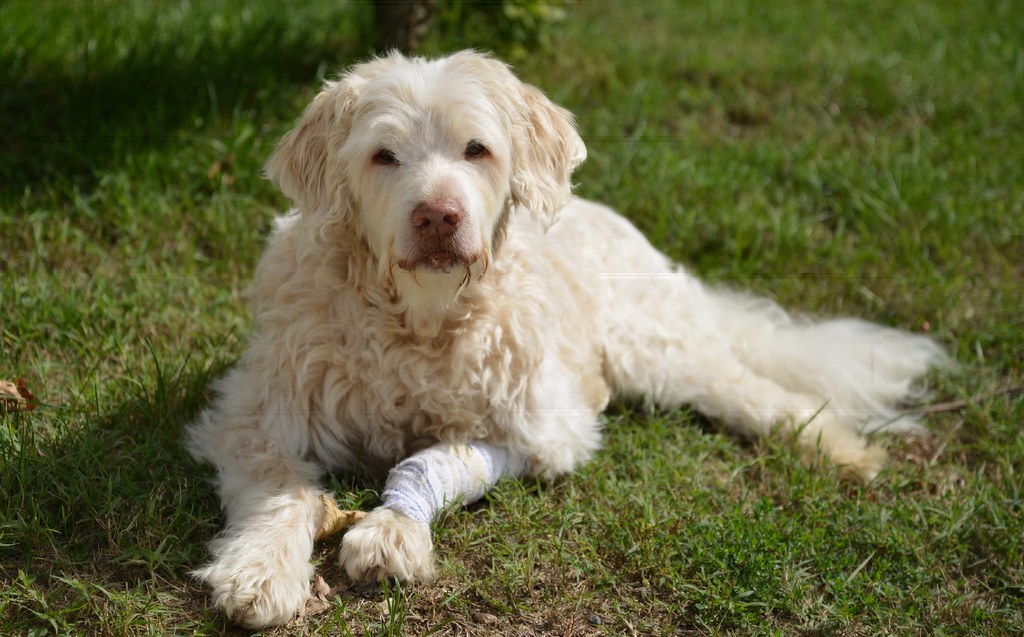
Your dog still wants to come. Their body says otherwise. A trailer bridges that gap — here’s how to do it kindly and safely.
Here’s the main point: in older dogs, enthusiasm outlives ability by years. Your dog’s mind still lights up when you pick up the lead. Their hips just can’t do two miles anymore.
That gap is heartbreaking to watch, and it’s exactly what a trailer fixes. Not by replacing exercise — by extending the outing. They walk the bits they can manage and ride the rest.
But senior dogs need a different setup to young ones. Lower entry, better padding, shorter trips, and much more attention to joints and temperature. Get those right and you’ll give an old dog back something they’d quietly given up on. 🐾
📋 What’s In This Guide
When Is a Dog “Senior”?
It varies enormously by size, which surprises a lot of owners.
| Dog Size | Examples | Considered Senior | Typical First Signs |
|---|---|---|---|
| Small (under 20 lb) | Chihuahua, Yorkie, Pomeranian | 10–12 years | Slower on stairs, sleeping more |
| Medium (20–50 lb) | Beagle, Cocker, Border Collie | 8–10 years | Stiff after rest, shorter walks |
| Large (50–90 lb) | Labrador, Golden, Shepherd | 6–8 years | Struggling to rise, hind-leg weakness |
| Giant (90 lb+) | Great Dane, Newfoundland, Mastiff | 5–6 years | Noticeable slowing, joint stiffness |
A seven-year-old Labrador is genuinely senior. A seven-year-old Chihuahua is middle-aged. Large breeds age faster, and their joints carry more load doing it.
The signs that mean “consider a trailer”
- Lagging behind on walks they used to lead
- Stiff the morning after a normal-length walk — the clearest early signal
- Sitting down partway through and needing a rest
- Still excited to go out, but visibly tired much sooner
- Struggling with stairs, jumps, or getting into the car
- Hesitating at kerbs they used to hop
That fourth one matters most. A dog who wants to go but can’t manage the distance is exactly who a trailer is for.
Don’t judge by how your dog seems during a walk — adrenaline masks a lot. Judge by how they move the next morning. Stiffness at breakfast means yesterday was too much, even if they seemed fine at the time.
Why a Trailer Helps So Much
It’s not about carrying them everywhere
This is the misunderstanding worth clearing up straight away. A trailer isn’t a wheelchair and it isn’t giving up on your dog’s mobility.
Used well, it does the opposite. Your dog walks the parts they can comfortably manage — the first ten minutes, the interesting bits, the last stretch home — and rides the parts that would otherwise leave them sore tomorrow.
The result is usually more total activity, not less, because they’re not spending the next day recovering.
Mental stimulation matters more than you’d think
Older dogs who stop going out lose a lot beyond exercise. Smells, sights, other dogs, the sheer novelty of not being at home — that’s most of what makes a walk valuable to a dog.
Cognitive decline in senior dogs is real, and mental engagement helps. A dog riding along with their nose working is getting genuine enrichment even while resting their hips.
You get your rides back too
Owners often quietly stop cycling because they feel guilty leaving an old dog at home. A trailer removes that trade-off entirely.
“A trailer doesn’t mean your dog has stopped walking. It means they get to keep coming along for years longer than they otherwise would.” 🐕
Alt text: “Senior Labrador with grey muzzle resting on thick padding inside a low-entry dog bike trailer”
What Seniors Need Differently
1. Low entry — the feature that decides everything
An arthritic dog cannot hop over a 10-inch lip. If loading requires lifting, two things happen: you hurt your back, and your dog starts associating the trailer with an uncomfortable manhandling.
You want a walk-in entry under about 8 inches, or a ramp. For large seniors this is non-negotiable — it’s the difference between a trailer used daily and one abandoned in a month.
2. Real suspension
On a young dog, suspension is a comfort upgrade. On an arthritic one it’s close to essential. Every jolt through a stiff joint is genuinely painful, and pain is cumulative across a ride.
If you can only afford one upgrade for a senior dog, make it suspension — ahead of bigger wheels, ahead of fancy covers.
3. Thick, supportive padding
Old joints need cushioning, and thin fabric floors provide none. A memory-foam or orthopaedic pad spreads pressure across hips, elbows and shoulders instead of concentrating it.
Look for something 3–5cm thick with a washable cover. Thicker isn’t automatically better — too thick and you lose headroom.
4. A flat floor long enough to stretch out
Stiff dogs need to fully extend, not curl. A curled position that a young dog finds cosy leaves an arthritic dog sore.
Measure your dog lying down fully stretched, not standing. That’s the length you actually need.
5. Temperature care in both directions
Senior dogs regulate temperature less efficiently. They get cold faster in winter and overheat faster in summer than they did at three years old.
In cold, arthritis stiffens noticeably — a blanket isn’t just comfort, it genuinely helps their joints.
Choosing the Right Trailer
| Feature | Why It Matters for Seniors | What to Look For | Priority |
|---|---|---|---|
| Entry height | Arthritic dogs can’t step high; lifting hurts you both | Under 8″, or a ramp | ⭐ Critical |
| Suspension | Jolts through stiff joints are painful and cumulative | Active suspension, not just soft tyres | ⭐ Critical |
| Floor length | Must stretch fully, not curl | Measure dog lying extended, add 4″ | ⭐ Critical |
| Padding | Pressure relief on hips and elbows | 3–5cm memory foam, washable | High |
| Wheel size | Bigger wheels absorb more before it reaches the cabin | 20″ preferred | High |
| Stroller conversion | Vet trips, and walks where they tire halfway | Tool-free conversion, parking brake | High |
| Ventilation | Poorer temperature regulation | Mesh on multiple sides | Medium |
| Weight capacity | Comfort margin, not just a limit | 15–20% above dog’s weight | Medium |
Trailer or stroller for a senior?
If you mostly walk, an all-terrain stroller is often the better tool — easier loading, easier stopping, and ideal for vet visits.
If you cycle, get a trailer with a low entry. If you do both, a convertible is worth the extra cost, and senior owners use the stroller mode far more than they expect.
Recommended Gear
Low-Entry Trailer With Suspension
Built around the two things that matter most for older dogs: they can walk in themselves, and suspension takes the sting out of every bump. This combination is what makes senior riding sustainable.
- ✅ No lifting — protects your back and your dog’s confidence
- ✅ Suspension genuinely reduces joint pain on anything but glass-smooth tarmac
- ✅ Flat floor lets a stiff dog stretch out rather than curl
- ✅ Many convert to stroller mode — invaluable for vet trips
- ⚠️ Heavier than basic trailers; an e-bike makes it much easier
Opens Amazon.com · Prices update live
Orthopaedic Memory-Foam Pad
The cheapest meaningful upgrade for an arthritic dog. Spreads pressure across hips and elbows instead of concentrating it on the joints that already hurt.
- ✅ Pressure relief where it matters — hips, elbows, shoulders
- ✅ Non-slip base stops sliding, which stiff dogs struggle to correct
- ✅ Washable cover — senior dogs have more accidents, and that’s normal
- ✅ Trim to size for a proper fit
- ⚠️ Don’t go thicker than 5cm or you lose headroom
Opens Amazon.com · Prices update live
Folding Pet Ramp
If your trailer’s entry is too high, a ramp fixes it for a fraction of the cost of a different trailer. Also solves cars, sofas and doorsteps — most senior owners end up using it everywhere.
- ✅ Removes lifting entirely — better for your back and their dignity
- ✅ High-grip surface matters; smooth ramps scare dogs off immediately
- ✅ Cheaper than replacing the trailer if entry height is your only problem
- ✅ Gets used for the car far more than you’d expect
- ⚠️ Train on it flat first — a raised ramp is intimidating on day one
Opens Amazon.com · Prices update live
Fleece-Lined Dog Coat
Cold makes arthritis measurably worse, and a stationary dog in a trailer gets cold fast. For a senior, warmth isn’t just comfort — it reduces stiffness.
- ✅ Warm joints move better — genuinely reduces post-ride stiffness
- ✅ Hip coverage matters most; that’s where the arthritis usually is
- ✅ Step-in designs are far easier than lifting legs through holes
- ✅ Stays on when your dog shifts, unlike a blanket
- ⚠️ Check it doesn’t interfere with the harness — try both together
Opens Amazon.com · Prices update live
Getting an Old Dog In
Loading is where senior trailer setups succeed or fail.
Never lift if you can avoid it
Lifting a stiff dog is uncomfortable for them — you’re moving joints that hurt, often without warning. Dogs remember that, and start avoiding the thing that precedes it.
If they physically can’t step in, use a ramp rather than lifting.
Teaching ramp use
- Flat on the ground first. Treats scattered along it. Let them walk over it as if it’s just flooring.
- Very slight incline — a few inches. Same exercise.
- Build the angle gradually over several days.
- Attach to the trailer and repeat at that final angle.
- Always steady the ramp. One wobble and many dogs won’t try again.
If you must lift
Support chest and hindquarters together, never under the belly alone. Keep them level. Move slowly and tell them what’s coming — a consistent verbal cue helps a lot.
For large seniors, two people is far kinder than one.
Feed a few meals in the stationary trailer before you ever ride. For a senior with any pain association around being handled, this matters more than for a young dog — they need the trailer to predict good things, not vet visits.
Planning Senior-Friendly Rides
The walk-ride-walk pattern
The structure that works best:
- Walk the first 10 minutes. Gentle movement warms stiff joints — this genuinely helps.
- Ride the middle stretch. The distance they couldn’t manage on foot.
- Walk the last 5–10 minutes. Cools down, and ends the outing on their terms.
This gives real exercise without the next-day payback.
Keep rides shorter than you think
Start at 15–20 minutes of riding and build slowly. Being still in one position is its own kind of tiring for a stiff dog — it isn’t rest in the way lying at home is.
Stop more often
Every 15–20 minutes, get them out for a short stretch and a sniff. Stiffness sets in fast when joints stay still, and a two-minute walk-around resets it.
Choose smooth routes
Surface matters more than distance for a senior. A smooth two-mile ride is far kinder than a bumpy one mile. Prioritise tarmac paths and well-maintained rail trails.
Time of day
Many arthritic dogs are stiffest in the morning and loosest by mid-afternoon. Afternoon rides often go better. In summer, that conflicts with heat — early evening usually threads the needle.
Common Health Conditions
Not medical advice — always talk to your vet — but useful context for what you might be working around.
Arthritis and joint disease
The most common reason seniors slow down. Movement helps (stiffness worsens with total rest), but impact and duration hurt. That’s exactly the profile a trailer suits: gentle walking plus supported resting.
Suspension and padding matter most here.
Hip dysplasia
Common in larger breeds and often worse by old age. Getting in and out is the hard part, so entry height dominates everything else. A ramp is often essential.
Heart conditions
Dogs with heart disease tire quickly and shouldn’t be pushed. A trailer can be ideal — they get the outing without the exertion. Get vet clearance first, and watch for heavy breathing or coughing.
Cognitive dysfunction
Doggy dementia can make new experiences confusing or distressing. Introduce the trailer very gradually, keep everything consistent, and use familiar bedding. Some dogs find the enclosed space reassuring; others don’t — follow your dog.
Reduced vision or hearing
More common than owners realise. Approach from where they can see you, touch them before lifting so they aren’t startled, and keep the routine identical each time. Predictability is comfort for a dog with reduced senses.
Incontinence
Very common and nothing to be embarrassed about. Use washable waterproof liners under the pad, and offer a toilet break immediately before setting off and at every stop.
Signs to Stop
Senior dogs hide discomfort well. Check actively rather than waiting.
During the ride
- Repeated shifting, unable to settle
- Panting that doesn’t ease when you stop
- Whining or restlessness that’s new for them
- Trying to stand repeatedly
At stops
- Reluctance to get out
- Stiff or wobbly first few steps that don’t loosen after a minute
- Not interested in sniffing — a big signal in a dog who normally is
Afterwards
- Stiffness the next morning — the single most reliable indicator you overdid it
- Sleeping much more than usual for a day or two
- Reluctance to get in next time
Sudden inability to bear weight, crying out when moved, laboured breathing, pale gums, or collapse. Also worth a call if stiffness after rides is getting steadily worse rather than staying stable — that usually means the underlying condition needs reviewing, not that you should just ride less.
Common Mistakes (and How to Fix Them)
Mistake 1: Buying a trailer with a high step-in
Loading becomes a two-person job and stops happening.
Fix: low entry under 8″, or add a ramp.
Mistake 2: Skipping suspension to save money
For an arthritic dog this is the wrong place to economise.
Fix: prioritise suspension over almost every other feature.
Mistake 3: Treating the trailer as a replacement for walking
Total rest makes stiffness worse, not better.
Fix: walk-ride-walk. Keep them moving at both ends.
Mistake 4: Rides that are too long
Lying still in one position is tiring for stiff joints.
Fix: 15–20 minutes to start, stops every 15–20 minutes.
Mistake 5: Forgetting they get cold faster now
Cold measurably worsens arthritis.
Fix: coat and blanket earlier in the season than you used to.
Mistake 6: Lifting without warning
Moving painful joints unexpectedly creates a bad association fast.
Fix: verbal cue, support chest and hindquarters, move slowly.
Mistake 7: Not involving your vet
You might be riding around a treatable problem.
Fix: mention the plan at their next check-up. Pain management options have improved a lot.
Pro Tips
- 💡 Warm them up before loading. Five minutes of gentle walking makes getting in noticeably easier.
- 💡 Ride in the afternoon if you can. Many arthritic dogs are loosest later in the day.
- 💡 Keep a waterproof liner under the pad permanently. Removes all anxiety about accidents.
- 💡 Use the stroller mode for vet visits. A familiar cabin makes the waiting room dramatically less stressful.
- 💡 Note stiffness levels for a fortnight. Patterns emerge that tell you the right ride length far better than guessing.
- 💡 Let them choose the last stretch. If they want to walk home, let them. If they want to ride, that’s fine too.
The most common reflection is regret about waiting too long. Owners describe dogs who had already stopped asking to go out — and who started waiting by the door again within a fortnight of the trailer arriving. If you’re wondering whether it’s time, it probably is.
Frequently Asked Questions
Is a bike trailer good for an old dog?
Yes — it’s one of the best things you can do for a dog whose enthusiasm has outlasted their stamina. It lets them join outings they can no longer walk, which matters for mental wellbeing as much as physical. The key is choosing one with a low entry, suspension, and a flat padded floor, and using walk-ride-walk rather than carrying them the whole way.
How do I get my arthritic dog into a trailer?
Ideally, don’t lift them — use a ramp. Train it flat on the ground first with treats, then raise the angle over several days, always steadying it so it doesn’t wobble. If you must lift, support chest and hindquarters together, keep them level, and use a verbal cue first so it isn’t a surprise. Two people is much kinder for large dogs.
How long can a senior dog stay in a bike trailer?
Start at 15–20 minutes and build gradually. Stop every 15–20 minutes to let them out for a stretch — staying still stiffens joints, so breaks matter more than for a young dog. The best guide isn’t a clock: it’s how they move the next morning. Stiffness at breakfast means shorten the next ride.
Will using a trailer make my dog lazier or weaker?
Not if you use walk-ride-walk. Total rest genuinely does worsen stiffness, so the goal isn’t to stop your dog moving — it’s to stop them overdoing it. Most owners find their dog gets more total activity, because they’re no longer spending the following day recovering from an over-long walk.
Trailer or stroller for a senior dog?
If you mainly walk, an all-terrain stroller is usually better — easier loading, a brake, and ideal for vet trips. If you cycle, a low-entry trailer. If you do both, a convertible is worth the extra, and senior owners typically use stroller mode far more than they expected to.
Should I check with my vet first?
Yes, and it’s a genuinely useful conversation. Your vet can confirm there’s nothing that makes riding unwise (heart conditions especially), and may suggest pain management that improves things independently. Options for canine arthritis have improved considerably — some dogs need better treatment rather than shorter walks. Mention the trailer plan at their next check-up.
Your Senior Dog Checklist
✅ Before You Buy
- ☐ Vet consulted about riding and current pain management
- ☐ Dog measured lying fully stretched, plus 4 inches
- ☐ Entry height under 8″ — or budget for a ramp
- ☐ Suspension confirmed (not just soft tyres)
- ☐ Flat floor, not a curved or sagging one
- ☐ Stroller conversion considered for vet trips
✅ Setting Up
- ☐ Orthopaedic pad, 3–5cm, trimmed to fit
- ☐ Waterproof liner underneath
- ☐ Familiar-smelling blanket
- ☐ Ramp trained flat before use at an angle
- ☐ Body harness fitted, tether sized
- ☐ A few meals fed in the stationary trailer
✅ Every Ride
- ☐ 5–10 minute warm-up walk before loading
- ☐ Toilet break before setting off
- ☐ Smooth route chosen over a scenic one
- ☐ Stops every 15–20 minutes for a stretch
- ☐ Coat or blanket if under 10°C
- ☐ Short walk at the end to cool down
✅ Watch For
- ☐ Stiffness next morning → shorten next ride
- ☐ Reluctance to get in → check for pain, review setup
- ☐ Not sniffing at stops → they’re not enjoying it
- ☐ Worsening pattern over weeks → vet review
Final Thoughts
There’s a stage in an old dog’s life where they still want everything they always wanted, and their body has quietly stopped cooperating. Watching that is hard.
A trailer doesn’t fix ageing. What it does is remove the distance problem — so the only limit on your dog’s day out is what they enjoy, not what their hips allow.
Get the low entry, get the suspension, keep rides short, and walk both ends. Your old dog gets their world back, and you get more time out there together. 🚲🐾
Mostly walking? Compare all-terrain strollers. Large senior? See trailers for large dogs. Winter is hardest on arthritis — read Winter Cycling With Your Dog. Introducing the trailer? Use the 7-day training plan, and check dimensions with the Size Calculator.